Benefits of Probiotics
1. Support Digestive Health
Probiotics help maintain a healthy balance of gut bacteria, which may promote comfortable digestion and regular bowel movements.
2. Promote Immune Function
Approximately 70% of the immune system is associated with the gut. Supporting a healthy microbiome may contribute to normal immune system function.
3. Enhance Nutrient Absorption
A balanced gut environment can help improve the body’s ability to absorb essential nutrients from food.
4. Support Occasional Bloating and Digestive Discomfort
Certain probiotic strains may help maintain digestive comfort and support healthy gastrointestinal function.
5. Promote Overall Wellness
Emerging research suggests the gut microbiome may influence multiple aspects of health, including mood, metabolism, and overall vitality.
Benefits of Prebiotics
1. Feed Beneficial Gut Bacteria
Prebiotics serve as food for probiotics and naturally occurring beneficial bacteria in the digestive tract.
2. Support Digestive Regularity
Prebiotic fibers can help promote healthy bowel function and support digestive comfort.
3. Encourage a Healthy Microbiome
Regular intake of prebiotics helps create an environment where beneficial bacteria can thrive.
4. Support Nutrient Utilization
A healthy gut environment may help improve the body’s ability to utilize certain nutrients.
5. Promote Long-Term Gut Health
Unlike probiotics, which introduce beneficial organisms, prebiotics help sustain and nourish existing beneficial bacteria over time.
Why Take Prebiotics and Probiotics Together?
Prebiotics and probiotics complement one another.
* Probiotics introduce beneficial bacteria.
* Prebiotics help nourish those bacteria.
* Together they support a balanced gut microbiome.*
* They may enhance digestive and immune health more effectively when combined.
Products that contain both are often referred to as synbiotics.
Popular Prebiotic and Probiotic Supplements
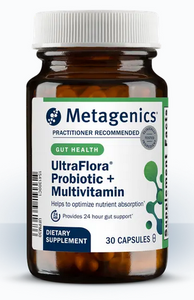
Multi-Strain Probiotic Formulas
These supplements contain multiple beneficial bacterial strains designed to support digestive and immune health.
Daily Digestive Probiotics
Ideal for individuals looking for everyday digestive support and microbiome balance.
Shelf-Stable Probiotics
Convenient options that do not require refrigeration and can be easily incorporated into daily routines.
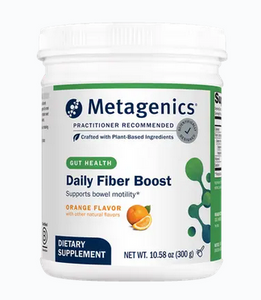
Prebiotic Fiber Supplements
Common ingredients include:
* Inulin
* Fructooligosaccharides (FOS)
* Galactooligosaccharides (GOS)
* Acacia fiber
Synbiotic Formulas
These products combine probiotics and prebiotics in a single supplement for comprehensive gut support.
Shop Professional-Grade Prebiotic and Probiotic Supplements
At Eat Love Holistic, we believe quality matters when it comes to supplementation. We offer professional-grade supplements formulated to support digestive health, microbiome balance, immune function, and overall wellness.
When selecting a probiotic or prebiotic supplement, look for:
* Clinically studied ingredients
* Clearly labeled strains and potency
* Third-party quality testing
* Professional-grade manufacturing standards
* Appropriate storage and stability information
Explore our collection of professional-grade digestive health supplements to find products tailored to your wellness goals.
Prebiotic and Probiotic Supplements (FAQ) Frequently Asked Questions
What is the difference between prebiotics and probiotics?
Probiotics are beneficial live microorganisms, while prebiotics are fibers that feed and support those microorganisms.
Should I take prebiotics and probiotics together?
Many people benefit from taking both because they work together to support a healthy gut microbiome.
How long does it take for probiotics to work?
Results vary depending on the individual and the product used. Some people notice digestive improvements within a few days, while others may require several weeks of consistent use.
Can probiotics help after antibiotic use?
Probiotics are commonly used to help restore healthy gut bacteria following antibiotic treatment. Consult your healthcare provider for personalized guidance.
Are prebiotics safe for daily use?
Most healthy adults can safely consume prebiotic fibers as part of a balanced diet or supplement routine. Start gradually to allow your digestive system to adjust.
Do probiotics need refrigeration?
Not all probiotics require refrigeration. Shelf-stable formulations are designed to maintain potency at room temperature. Always follow storage instructions on the product label.
Can children take probiotics?
Many probiotic products are formulated specifically for children. Consult a healthcare professional before starting supplementation.
Are there natural food sources of prebiotics and probiotics?
Yes.
Probiotic-rich foods include:
* Yogurt
* Kefir
* Sauerkraut
* Kimchi
* Miso
Prebiotic-rich foods include:
* Garlic
* Onions
* Bananas
* Asparagus
* Chicory root
* Oats