Fish Oils & Omega Fatty Acids

Fish Oils & Omega Fatty Acids for Everyday Wellness

Fish oils and omega fatty acids play an important role in supporting heart health, brain function, joint mobility, and overall wellness. Rich in essential Omega-3 fatty acids such as EPA and DHA, these healthy fats help reduce inflammation, support cognitive health, and promote balanced nutrition. At Eat Love Holistic, we believe in incorporating high-quality omega-rich foods and supplements as part of a natural, holistic lifestyle.

Benefits of Fish Oil & Omega Fatty Acid Supplements

Omega fatty acids are involved in many important processes throughout the body. Adding an omega-3 supplement to a balanced diet can be a convenient way to increase your intake of these essential fats.

Heart Health Support

EPA and DHA omega-3 fatty acids are commonly used as part of a heart-healthy lifestyle. Research has explored their role in maintaining cardiovascular health and healthy triglyceride levels.

Brain & Cognitive Wellness

DHA is an important structural component of the brain. Adequate omega-3 intake is an important part of overall nutritional support for brain and cognitive health.

Eye Health

DHA is also concentrated in the retina of the eye. Omega-3 fatty acids are therefore an important part of a nutrient-rich approach to maintaining eye health.

Healthy Inflammatory Balance

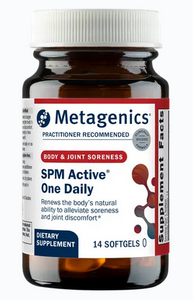
EPA and DHA participate in biological processes involved in the body’s inflammatory response. Omega-3 supplementation may support a healthy inflammatory balance as part of an overall healthy lifestyle.

Joint & Mobility Support

Omega-3 fatty acids are commonly included in wellness routines focused on joint comfort and mobility. Their role in maintaining a healthy inflammatory response makes them a popular choice for active individuals.

Prenatal & Maternal Nutrition

DHA is an important nutrient during pregnancy and early development. Pregnant and breastfeeding individuals should discuss omega-3 supplementation with their healthcare professional to determine an appropriate source and amount.


Popular Fish Oil & Omega Fatty Acid Supplements

Omega supplements come in a variety of forms and concentrations. Understanding the differences can help you select a product that fits your nutritional needs and preferences.

Fish Oil

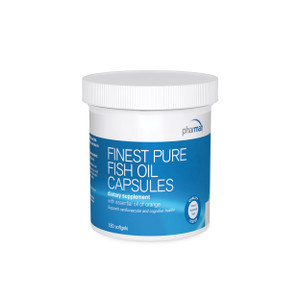
Traditional fish oil supplements provide EPA and DHA, the two primary long-chain omega-3 fatty acids found in marine sources. They are available in liquid, softgel, and concentrated formulations.

High-Potency Fish Oil

Concentrated fish oil formulas provide higher amounts of EPA and DHA per serving, allowing you to obtain more omega-3s without necessarily taking as many capsules.

Krill Oil

Krill oil is a marine source of omega-3 fatty acids that naturally contains EPA and DHA along with phospholipids and the antioxidant astaxanthin.

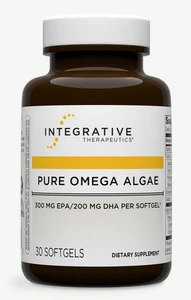
Algae-Based Omega-3

Algal oil is a plant-based source of DHA and, depending on the product, EPA. It can be a suitable option for individuals looking for a non-fish source of marine omega-3s.

Cod Liver Oil

Cod liver oil contains EPA and DHA along with naturally occurring vitamins A and D. Because vitamin levels can vary, it’s important to consider the total intake of these vitamins when choosing a cod liver oil supplement.

Flaxseed & Plant-Based Omega-3

Flaxseed oil provides alpha-linolenic acid (ALA), an essential omega-3 fatty acid. The body can convert ALA into EPA and DHA, although the conversion is limited. Plant-based omega-3 products can be a useful addition to a balanced diet.

Omega-3, 6 & 9 Formulas

Some supplements combine different types of fatty acids. Omega-3s are generally the primary focus of supplementation, while omega-6 and omega-9 fatty acids are widely available through the diet.


FAQ Frequently ASked Questions For Fish Oils & Omega Fatty Acids

What is the difference between EPA and DHA?

EPA and DHA are both long-chain omega-3 fatty acids, but they have different roles in the body. DHA is particularly abundant in the brain and retina, while EPA is involved in several biological processes, including those related to cardiovascular and inflammatory health.

What are fish oil supplements used for?

Fish oil supplements are commonly used to increase dietary intake of EPA and DHA. Omega-3s are associated with cardiovascular, brain, eye, and overall nutritional health.

How much EPA and DHA should I look for?

The amount depends on your individual nutritional needs and the reason you are taking an omega-3 supplement. Instead of focusing only on the total amount of “fish oil,” look at the actual EPA and DHA amounts listed on the Supplement Facts panel.

What is the best form of fish oil?

Fish oil supplements may contain omega-3s in triglyceride, re-esterified triglyceride, or ethyl ester forms. Different forms have different characteristics, and the overall quality, EPA/DHA content, freshness, and manufacturing standards of the product are also important considerations.

What is the difference between fish oil and cod liver oil?

Both provide EPA and DHA, but cod liver oil also naturally contains vitamins A and D. Because excessive vitamin A or D can be harmful, it’s important to consider your total intake when using cod liver oil.

Is krill oil the same as fish oil?

No. Both provide EPA and DHA, but they come from different marine sources and have different compositions. Krill oil naturally contains phospholipids and astaxanthin in addition to omega-3 fatty acids.

Is algae oil a good alternative to fish oil?

Algae oil can provide a plant-based source of omega-3s, particularly DHA and, in some products, EPA. It is an option for individuals who prefer to avoid fish-derived supplements.

Should fish oil be taken with food?

Many people take fish oil with a meal. Taking it alongside food may also be helpful for tolerability. Always follow the directions on your specific product.

How should fish oil be stored?

Follow the manufacturer’s storage instructions. Some liquid fish oils may require refrigeration after opening. Protecting oils from excessive heat, light, and air can help maintain freshness.

Can fish oil supplements cause a fishy aftertaste?

Some people experience fishy burps or aftertaste with fish oil supplements. Taking the supplement with food, choosing a well-formulated product, or selecting a different omega-3 form may help.

Are fish oil supplements safe for everyone?

Fish oil and omega-3 supplements are not appropriate for everyone. Individuals with fish or seafood allergies should carefully review product ingredients. If you take blood-thinning medication, have a bleeding disorder, are preparing for surgery, are pregnant or breastfeeding, or have other health concerns, consult your healthcare professional before starting an omega-3 supplement.

Can I get enough omega-3s from food?

Yes. Fatty fish such as salmon, sardines, mackerel, and herring are excellent sources of EPA and DHA. Plant foods such as flaxseed, chia seeds, and walnuts provide ALA. Supplements can be useful when dietary intake is limited or when additional omega-3 intake is recommended.

Explore our professional-grade Fish Oils & Omega Fatty Acids collection and find a high-quality omega formula to complement your everyday wellness routine.

Health Information Disclaimer

The information provided on this page is for educational and informational purposes only and is not intended as medical advice, diagnosis, or treatment, or as a substitute for guidance from a qualified healthcare professional.

Eat Love Holistic provides general information about nutrition, wellness, and dietary supplements. Individual needs may vary. Please consult a qualified healthcare professional if you have questions about your personal health, are pregnant or breastfeeding, have a medical condition, or are taking medications.

* The statements made on this site have not been evaluated by the U.S. Food and Drug Administration. These products are not intended to diagnose, treat, cure, or prevent and disease. Information provided by this website or this company is not a substitute for individual medical advice. If you are pregnant or nursing please consult your health care professional before using this or any products. Please keep out of reach of children. *