Benefits of Children’s Health Supplements
Professional-grade children’s supplements may help support:
* Healthy growth and development
* Immune system function
* Brain development and cognitive health
* Healthy bones and teeth
* Digestive and gut health
* Energy production and normal metabolism
* Healthy sleep and relaxation
* Eye health and vision support
* Nutritional gaps from selective eating
* Overall health and wellbeing during growth
When paired with a balanced diet, regular physical activity, adequate sleep, and healthy lifestyle habits, quality supplements can provide nutritional support during important stages of childhood development.
Popular Children’s Health Supplements
Our Children’s Health collection includes a wide variety of practitioner-recommended supplements, including:
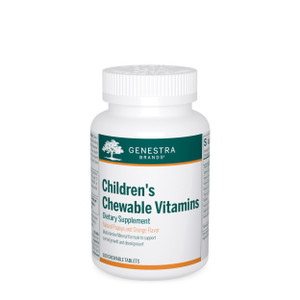
* Children’s multivitamins
* Vitamin D supplements
* Vitamin C formulas
* Zinc supplements
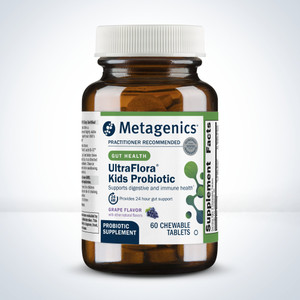
* Children’s probiotics
* Omega-3 fish oil and DHA
* Calcium and magnesium
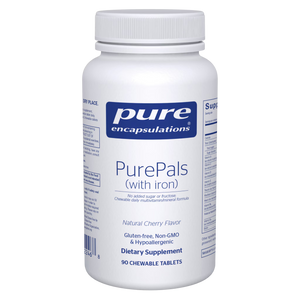
* Iron supplements (when recommended by a healthcare professional)
* Immune support formulas
* Sleep support supplements
* Digestive enzymes
* Fibre supplements
* Elderberry formulas
* Electrolyte support
* Children’s protein and nutritional powders
Each product is selected from trusted professional brands known for quality ingredients, safety standards, and evidence-informed formulations.
Shop Professional-Grade Children’s Health Supplements
At Eat Love Holistic, we make it easy to shop for premium children’s health supplements from trusted practitioner brands. Our curated selection focuses on quality, safety, and effective nutritional support for growing children.
Whether you’re looking for daily vitamins, probiotics, omega-3 supplements, immune support, or targeted nutritional formulas, you’ll find products designed to help support your child’s health at every stage.
Browse our Children’s Health collection today and discover professional-grade supplements chosen with your family’s wellness in mind.
Frequently Asked Questions
What are children’s health supplements?
Children’s health supplements are nutritional products formulated specifically for growing children. They may include vitamins, minerals, probiotics, omega-3 fatty acids, and other nutrients designed to support overall health alongside a balanced diet.
Does every child need supplements?
Not every child requires supplements. Many children obtain adequate nutrition from a varied, balanced diet. Supplements may be appropriate in certain situations, such as selective eating, dietary restrictions, or when recommended by a qualified healthcare professional.
Which vitamins are commonly recommended for children?
Common supplements for children may include vitamin D, vitamin C, calcium, omega-3 fatty acids, probiotics, iron (when appropriate), and multivitamins. Individual needs vary based on age, diet, lifestyle, and health status.
Are professional-grade children’s supplements different?
Professional-grade supplements are generally manufactured to higher quality standards and often undergo rigorous testing for ingredient identity, purity, potency, and manufacturing practices. Formulations may also use highly bioavailable ingredients.
Can children take adult supplements?
Children should not routinely take adult supplements unless specifically directed by a healthcare professional. Children’s products are formulated with age-appropriate ingredients and dosages.
Are children’s supplements safe?
When used according to label directions and under the guidance of a healthcare professional when appropriate, children’s supplements are generally considered safe. Always store supplements out of children’s reach and never exceed recommended serving sizes.
How do I choose the right supplement for my child?
Consider your child’s age, dietary intake, lifestyle, and individual health needs. If you are unsure which supplement is appropriate, consult your healthcare practitioner for personalized guidance.
Can supplements replace a healthy diet?
No. Supplements are intended to complement—not replace—a balanced diet, regular physical activity, sufficient sleep, and healthy lifestyle habits. Whole foods remain the best source of nutrients whenever possible.