
Posted by Eat Love Holistic on 2026 Oct 20th
Mitochondrial Health and Cellular Energy: 3 Ways to Support Your Body Naturally
Understanding the Connection Between Energy and Cellular Health
Have you ever had a full night's sleep, eaten a balanced breakfast, and still found yourself struggling to concentrate by mid-afternoon? Occasional energy dips are common, but persistent fatigue can leave you wondering what your body needs to feel its best.
When we think about energy, we often reach for coffee, sugary snacks, or other quick fixes. Yet our everyday energy depends on much more than caffeine. Nutrition, sleep, physical activity, stress management, and the body's natural energy-producing processes all play important roles.
One fascinating part of this picture is mitochondrial health.
Mitochondria are tiny structures inside most of our cells that help convert nutrients into usable energy. Understanding how they work can help us appreciate the connection between cellular energy production and overall wellness.
At Eat Love Holistic, we believe that sustainable wellness starts with informed choices, nourishing habits, and a better understanding of how the body works.
Let's explore what mitochondria do, which nutrients contribute to normal cellular energy production, and how everyday habits can support your overall health.
Understanding mitochondrial function is one part of a broader approach to cellular wellness. Explore our Cellular Wellness & Longevity Collection to learn more about nutrition and supplements related to overall cellular health.
What Is Cellular Health?
Your body is made up of trillions of cells, each carrying out specialized functions that keep you alive and functioning. Cells help build tissues, transmit nerve signals, support immune responses, and maintain normal metabolic processes.
Healthy cellular function depends on several interconnected factors, including:
- Adequate nutrition and hydration.
* Healthy cell membranes that regulate what enters and leaves cells.
* Normal energy metabolism.
* The body's antioxidant and cellular repair systems.
* Proper communication between cells and their surrounding environment.
Oxidative stress occurs when the production of reactive molecules exceeds the body's ability to manage them effectively. Over time, excessive oxidative stress can contribute to cellular damage.
The body has its own antioxidant defenses, supported by nutrients and compounds obtained through food. A varied diet rich in vegetables, fruits, legumes, nuts, seeds, and other nutrient-dense foods can help provide many of these essential nutrients.
It is important to remember that fatigue, difficulty concentrating, and low energy are not specific signs of poor cellular health. They can have many causes, including inadequate sleep, stress, nutritional deficiencies, medication effects, and underlying medical conditions.
What Are Mitochondria and Why Do They Matter for Energy?
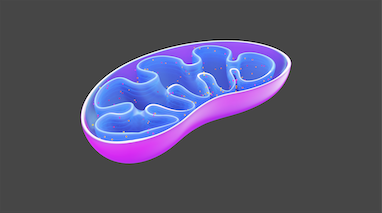
Mitochondria are often called the powerhouses of the cell because they play a central role in producing adenosine triphosphate, better known as ATP.
ATP is a molecule that cells use to power many essential processes, from muscle contraction to transporting substances across cell membranes.
Here's a simplified look at how cellular energy production works:
Food → Nutrients → Cellular metabolism → ATP → Energy for cellular functions
Mitochondria help extract usable energy from nutrients through a series of complex biochemical reactions. These processes depend on several enzymes, vitamins, minerals, and other compounds.
Mitochondria also contribute to cellular signaling, metabolism, and other important functions beyond energy production.
Because cells have different energy needs, mitochondrial activity is particularly important in tissues such as muscles, the heart, and the brain.
Supporting normal mitochondrial function is one part of a broader approach to maintaining health and vitality. However, more mitochondrial activity does not automatically mean more energy or better health, and supplements cannot guarantee improved mitochondrial performance.
For more information, the National Institutes of Health's mitochondrial disorders fact sheet provides additional background on mitochondrial function and nutrients involved in energy metabolism.
Want to learn more about how your body converts nutrients into usable energy? Read our guide to Cellular Energy Production: How Your Body Makes Energy | Wellness Guide
3 Ways to Support Mitochondrial Health Naturally
There is no single food, supplement, or routine that guarantees optimal mitochondrial function. A more practical approach is to focus on consistent lifestyle habits and adequate nutrition.
1. Eat a Nutrient-Rich Diet and Understand the Role of Antioxidants

Normal energy metabolism relies on a range of nutrients. Some help enzymes convert food into usable energy, while others contribute to antioxidant defenses that protect cells from excessive oxidative damage.
Start with a varied diet that includes:
* Colorful vegetables and fruits: Provide vitamin C, polyphenols, and other beneficial plant compounds.
* Nuts and seeds: Supply healthy fats, minerals, and other nutrients.
* Whole grains and legumes: Provide carbohydrates, fiber, B vitamins, and minerals.
* Protein-rich foods: Supply amino acids needed for building and maintaining tissues.
* Healthy sources of fats: Help provide essential fatty acids and support the absorption of fat-soluble vitamins.
Two compounds often discussed in connection with mitochondrial function are coenzyme Q10 and alpha-lipoic acid.
Coenzyme Q10 (CoQ10)
CoQ10 is naturally produced by the body and plays an important role in the mitochondrial electron transport chain, where it helps transfer electrons during ATP production. It also functions as an antioxidant.
Although CoQ10 supplements have been studied for various health conditions, evidence of benefit varies by condition. Taking additional CoQ10 does not necessarily increase energy levels in people who already have adequate amounts.
CoQ10 can also interact with certain medications, including warfarin. Speak with a healthcare professional before supplementing.
Read more from the National Center for Complementary and Integrative Health: Coenzyme Q10 .
Alpha-lipoic acid (ALA)
ALA is involved in mitochondrial energy metabolism and can act as an antioxidant. Its reduced form also participates in antioxidant processes involving compounds such as vitamins C and E.
However, the biological role of ALA should not be confused with proof that taking an ALA supplement improves everyday energy in healthy people. Research findings depend on the condition being studied, and supplementation may not be appropriate for everyone.
The NIH's Dietary Supplements for Primary Mitochondrial Disorders fact sheet provides further information about ALA and other compounds studied in relation to mitochondrial function.
The holistic takeaway: Prioritize a varied, balanced diet first. Supplements may be useful in specific circumstances, but more is not always better.
Explore our Antioxidant Support supplements to discover products in this category that may complement your nutritional wellness routine.
2. Prioritize Quality Sleep and Consistent Daily Rhythms

Sleep is essential for physical recovery, cognitive function, and normal metabolic regulation. It also supports processes involved in maintaining healthy brain function.
During sleep, the brain's glymphatic system is thought to contribute to the clearance of waste products. However, this is a complex biological process, and it would be inaccurate to describe sleep as a proven way to cleanse every cell or repair all mitochondrial damage.
To support healthy sleep habits:
* Maintain a consistent sleep and wake schedule.
* Create a dark, quiet, comfortable sleeping environment.
* Get regular physical activity during the day.
* Limit late-day caffeine if it interferes with sleep.
* Develop a relaxing evening routine that helps you wind down.
What about intermittent fasting?
Intermittent fasting involves limiting food intake to particular periods of the day or week. Researchers are studying how fasting affects metabolic signaling and cellular recycling processes such as autophagy, which helps cells break down and recycle certain components.
Mitophagy is a related process that selectively removes damaged or dysfunctional mitochondria.
Although these processes are well established biologically, the effects of specific fasting schedules on human cellular health and long-term outcomes are still being investigated. A 12–14-hour overnight fasting window should not be presented as a proven way to trigger a particular level of autophagy or improve energy.
Fasting is not suitable for everyone. People who are pregnant or breastfeeding, have a history of eating disorders, have certain medical conditions, or take medications that require food or affect blood sugar should seek individualized professional guidance before attempting it.
For further reading, see this review of time-restricted eating and sleep .
For most people, establishing regular sleep patterns and eating a balanced diet are sensible starting points.
Consistent sleep habits are an important part of overall wellness. Browse our Sleep & Rest category for products and resources related to your nighttime wellness routine.
3. Move Regularly and Get the Nutrients Your Body Needs

Regular physical activity supports cardiovascular fitness, metabolic health, and the body's ability to use energy. Exercise also stimulates adaptations in skeletal muscle, including changes related to mitochondrial function and capacity.
You don't need an intense workout every day to build a healthier routine. Consider incorporating:
* Walking or other enjoyable aerobic activities.
* Strength training appropriate to your fitness level.
* Gentle stretching or mobility exercises.
* Breaks from prolonged sitting throughout the day.
Nutrition is another essential part of the picture. Several nutrients help the body convert food into energy.
B vitamins
B vitamins participate in metabolic reactions that help release energy from carbohydrates, fats, and proteins. Vitamin B1 (thiamin), vitamin B2 (riboflavin), and other B vitamins have specific roles in normal energy metabolism.
For more information, consult the NIH's Thiamin Fact Sheet for Health Professionals .
Carnitine
Carnitine helps transport long-chain fatty acids into mitochondria, where they can be used in energy production. The body produces carnitine, and it is also found in foods such as meat and fish.
Acetyl-L-carnitine is a related compound that has been studied for various purposes, but evidence does not establish that everyone needs it as a supplement to improve energy.
The NIH's Carnitine Fact Sheet for Health Professionals explains its role in fatty acid metabolism and summarizes evidence surrounding supplementation.
Polyphenols and resveratrol
Polyphenols are plant compounds found in foods such as berries, grapes, tea, and other plant-based foods.
Resveratrol is one such polyphenol. Some laboratory and animal studies have explored its relationship with pathways such as SIRT1 and mitochondrial biogenesis, the process by which cells produce new mitochondria.
However, these findings do not establish that resveratrol supplements reliably increase mitochondrial production or improve everyday energy in humans.
The most practical strategy is to meet your nutritional needs through a varied diet and consider targeted supplementation only when appropriate. The NIH provides additional information through its Dietary Supplement Fact Sheets .
How Mitochondrial Health Fits Into Whole-Body Wellness
Mitochondria do much more than help produce ATP. They participate in several cellular processes involved in metabolism, signaling, and normal physiological function.
Maintaining overall health involves supporting these processes alongside other important factors, including cardiovascular fitness, adequate nutrition, restorative sleep, stress management, and regular movement.
It is tempting to attribute every afternoon energy slump or period of brain fog to mitochondrial dysfunction. In reality, energy levels are influenced by many systems in the body and by everyday circumstances.
If you're frequently tired despite getting adequate sleep, or if fatigue is severe, persistent, unexplained, or interfering with daily activities, speak with a healthcare professional. It is important to identify potential underlying causes rather than relying on supplements alone.
A holistic approach works best when it combines healthy daily habits with evidence-informed decisions and appropriate medical care.
Final Thoughts: Build Energy From the Ground Up
Supporting mitochondrial health starts with understanding how your body naturally produces and uses energy.
A balanced diet, regular physical activity, consistent sleep, and adequate nutrient intake provide a strong foundation for normal cellular function. Compounds such as CoQ10, alpha-lipoic acid, carnitine, and polyphenols have interesting biological roles, but research does not support treating them as guaranteed energy boosters for everyone.
At Eat Love Holistic, our goal is to help you make thoughtful, informed choices that complement your individual wellness needs.
Rather than chasing a quick fix, focus on sustainable habits that support your health over time.
Small, consistent choices can make a meaningful contribution to your overall well-being.
Looking for more information about everyday energy and vitality? Explore our Energy & Fatigue Support collection to discover nutritional supplements that may complement a balanced lifestyle.
References & Further Reading
The following scientific and government resources provide additional information about mitochondrial function, nutrient metabolism, dietary supplements, and fasting research.
1. National Institutes of Health, Office of Dietary Supplements. Dietary Supplements for Primary Mitochondrial Disorders: Health Professional Fact Sheet .
2. National Center for Complementary and Integrative Health. Coenzyme Q10 .
3. National Institutes of Health, Office of Dietary Supplements. Exercise and Athletic Performance: Health Professional Fact Sheet .
4. National Institutes of Health, Office of Dietary Supplements. Thiamin: Health Professional Fact Sheet .
5. National Institutes of Health, Office of Dietary Supplements. Carnitine: Health Professional Fact Sheet .
6. National Center for Biotechnology Information. Effects of Time-Restricted Eating on Sleep .
Scientific understanding continues to evolve. Research findings, particularly those involving supplements, fasting, and cellular health, may vary depending on the population studied. Findings from laboratory and animal studies do not necessarily translate into proven benefits in humans.
Disclaimer
This article is intended for educational and informational purposes only and should not be considered medical advice. The information provided is not intended to diagnose, treat, cure, or prevent any disease. Statements concerning dietary supplements have not been evaluated by the U.S. Food and Drug Administration unless otherwise stated. Supplement research and regulatory requirements vary by product and jurisdiction. Consult a qualified healthcare professional before starting a new supplement regimen or making significant dietary changes, especially if you have an underlying medical condition or take medication. Persistent or unexplained fatigue should be evaluated by a healthcare professional.